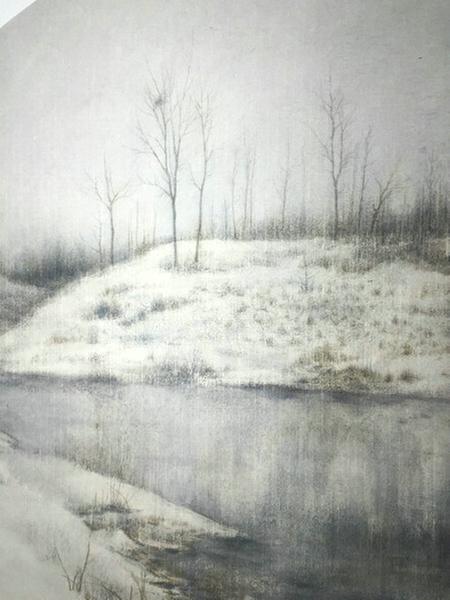
Contemporary Chinese Ink Painting
Introduction
Contemporary Chinese ink painting is a dynamic and evolving art form that bridges the traditional techniques of Chinese ink painting with modern artistic expressions. Rooted deeply in China's rich cultural history, contemporary ink painting is an innovative reinterpretation of age-old practices, combining the elegance of ink with diverse thematic and stylistic explorations. It represents a significant sector of the global art scene, engaging in dialogues across cultures and artistic genres.
Historical Context
Traditional Chinese ink painting, known for its monochromatic palette and fluid brushwork, has been practiced for centuries. It is often associated with landscapes, calligraphy, and human figures, emphasizing simplicity, spontaneity, and harmony with nature. This art form has historically been a means of scholarly expression, often created by literati who were adept in both painting and poetry.
The evolution into contemporary ink painting began in the late 20th century, as artists sought to innovate and globalize their art. This shift was partly influenced by China's opening up to the world, which brought new materials, ideas, and cultural exchanges. Artists started to challenge conventional boundaries, introducing new themes, techniques, and narratives while maintaining the essence of traditional ink painting.
Key Events and Exhibitions
One prominent event showcasing contemporary Chinese ink painting is the Fenghuang Arts Year Exhibition, held in Fenghuang, Hunan province. This event features various art forms, including contemporary ink paintings, and aims to foster cultural exchanges between artists from different countries. Notably, 19 artists from China, France, Italy, and Switzerland participate in the exhibition, presenting a total of 200 art pieces. The exhibition transforms ancient buildings in Fenghuang into modern galleries, reflecting the blend of traditional and contemporary aesthetics.
In Paris, the China Cultural Center hosts exhibitions like "Chinese Style - Ink Painting of Human Figures," which highlights contemporary interpretations of traditional ink painting. Sponsored by the Chinese National Arts Fund, this exhibition features works by prominent Chinese artists such as Yang Xiaoyang and Zhang Jiangzhou, and serves as a platform for cultural dialogue between China and France.
Another significant exhibition, Beacon Light, held at the 751 Fashion Echo art gallery in Beijing, showcases the works of veteran artist Dang Zhen and his students. The exhibition explores contemporary interpretations of northern Shaanxi's landscapes, encouraging young artists to express their unique perspectives through traditional ink painting techniques.
Influential Artists and Styles
Contemporary Chinese ink painting is characterized by a diverse range of styles, influenced by individual interpretations and external cultural exchanges. Artists like Dang Zhen focus on the beauty of nature, creating ethereal landscapes that evoke a dreamlike quality. His works often depict the serene scenery of northern Shaanxi, combining traditional brushwork with modern themes.
Cultural Significance
Contemporary Chinese ink painting serves as a bridge between past and present, offering a window into China's cultural heritage while embracing modernity. It plays a crucial role in cultural exchange and understanding, enabling audiences worldwide to appreciate the depth and diversity of Chinese art.








